Pillows · Materials and construction
How Pillow Fill and Construction Shape Loft, Support, and Care
A pillow can feel cloud-soft at first touch and still leave your neck wanting more support by morning. The difference often comes down to what’s inside, how that fill is arranged, and the fabric holding everything together. Understanding those details makes it easier to compare natural-fill options—including eiderdown—and find a pillow that fits your sleep habits as well as your care routine.
Softness is only the beginning
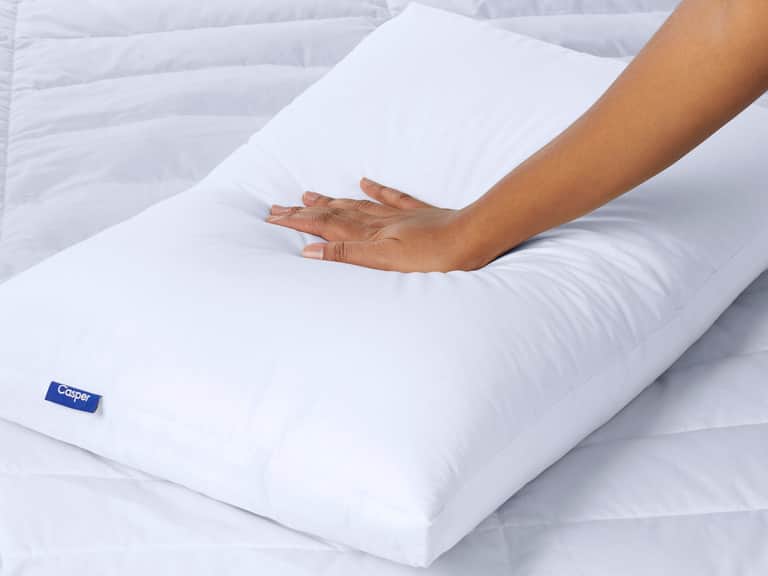
It’s tempting to choose a pillow by pressing a hand into it and deciding whether it feels soft or firm. That first impression matters, but it doesn’t tell the whole story. A pillow changes shape under the weight of your head, and the way it responds depends on its fill, its internal construction, and the weave of its shell.
Loft is the pillow’s height when it is resting. Support is how well it maintains a useful position once you settle onto it. Those qualities are related, but they are not interchangeable: a lofty pillow may compress substantially, while a lower-profile pillow may hold its shape more consistently. Neither quality is automatically better. The goal is to find a combination that feels comfortable and suits how you sleep.
That’s why two pillows made with natural fill can feel remarkably different. One may be airy and easy to reshape; another may have more structure or a denser, more grounded feel. Even within the same fill family, differences in cluster size, fill amount, chamber design, and shell fabric can change the experience.
What pillow fill brings to the bed
Fill influences the pillow’s weight, resilience, warmth, and how readily it can be adjusted during the night. Natural materials are not one uniform category: down, feather, wool, and other fibers each have distinct characteristics. A useful comparison starts with what the material does—not just the appealing words on a label.
Down: light, lofty, and easy to reshape
Down consists of the soft clusters beneath the outer feathers of birds. Its airy structure can trap warmth while keeping a pillow relatively light. Down pillows are often prized for a plush, yielding feel that can be shaken or gently molded into a preferred shape. The precise feel varies with the fill blend, the amount used, the size and quality of the clusters, and the pillow’s internal design.
Fill power is one term you may see when comparing down. It describes the loft produced by a given weight of down under a standardized test. A higher fill-power number indicates greater lofting capacity by weight, but it does not, by itself, tell you whether a pillow will be soft, firm, high, or right for a particular sleeper. Pillow dimensions and fill weight matter, too.
Eiderdown: a distinctive down, not a promise of a particular feel
An eiderdown pillow is made with down from the eider duck. The material has a place in the wider story of down bedding, but the word “eiderdown” alone cannot tell you exactly how a finished pillow will perform. Construction, fill amount, shell, and the pillow’s overall dimensions still shape its loft and feel. Nor should the name replace clear information about sourcing, care, or animal-welfare practices.
If you are considering eiderdown, look for specific, transparent details from the manufacturer about where the fill comes from and how it is collected. Ask what certifications or traceability information apply, and read the care instructions before deciding. A premium-sounding material name is only one part of an informed choice.
Feather and down blends: more structure in the mix
Feathers have a firmer structure than down clusters. A blend that includes feathers may feel more resilient or substantial, depending on its proportions and construction. It may also feel different against the hand or through the shell. If you are comparing labels, check whether they specify the contents as a percentage rather than relying on a broad phrase such as “down blend.”
Other natural and alternative fills
Natural-fill pillows can include wool or other fibers, while synthetic alternatives may use polyester or microfiber. These materials have their own trade-offs in feel, warmth, adjustability, and care. Some sleepers prefer an alternative fill for personal, allergy-related, ethical, or maintenance reasons. “Natural” and “synthetic” are not performance grades: what matters is how the complete pillow works for you and whether its care requirements fit your household.
Why construction changes the feel
Fill is only half the pillow story. Construction determines where that fill sits, how it moves, and how well the pillow keeps its shape. A simple, single-compartment pillow may allow the fill to shift more freely. A chambered design separates the interior into sections, which can help manage distribution and reduce the feeling that all the fill has migrated to one end.
Chambers and baffles
Chambers are internal compartments designed to keep fill in designated areas. In a pillow, a multi-chamber layout may combine a more supportive center with softer outer sections, or it may simply help maintain more even distribution. The exact result depends on the design, so “five chambers” or another construction label is a starting point—not a complete description of how the pillow will feel.
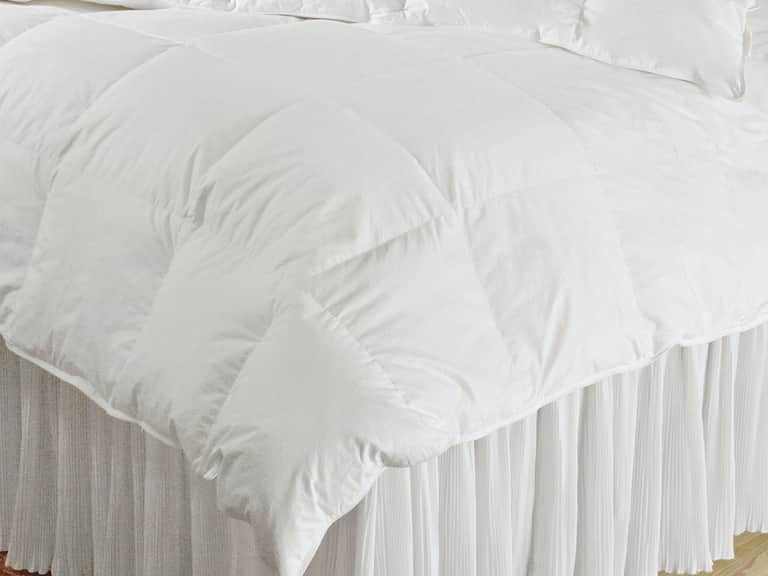
Baffles are fabric walls that create space between sections, allowing a fill to expand rather than being compressed flat against a seam. You’ll often see baffle-box construction discussed in comforters, where it helps maintain loft across a larger surface. Pillow designs vary, so check the product description for the construction details that actually apply to the pillow you are comparing.
Sewn-through construction and quilting
Stitching through layers can create defined pockets and hold fill or batting in place. That can reduce migration, although the stitched lines may create areas with less fill than the pockets between them. In a pillow, quilting and seam placement can also affect how the surface feels and how evenly the fill settles.
Fill weight and profile
A pillow’s profile is its apparent height and shape, but fill weight is another important clue. The same material in a larger pillow, a smaller pillow, or a differently constructed shell may produce a different feel. A low-profile pillow can suit someone who prefers less height, while a fuller design may appeal to someone who likes more loft. Sleeping position offers a useful starting point, but individual comfort, body proportions, mattress feel, and personal preference all matter.
As a broad guide, side sleepers often look for enough height to help fill the space between the shoulder and head; back sleepers may prefer a moderate profile; and stomach sleepers often seek a lower, softer pillow. These are not rules or medical advice. If you have persistent pain, numbness, or other symptoms, a qualified health professional can help assess the cause rather than asking a pillow to solve it alone.
The shell deserves a closer look
The shell is the fabric enclosure around the fill. It contributes to the pillow’s surface feel and breathability, and it helps keep small fill clusters contained. Thread count may appear on a label, but it is not a stand-alone quality score. Fiber type, yarn, weave, finishing, and construction also contribute to how a fabric feels and performs.
A tightly woven shell can be especially relevant for down because it helps limit the escape of fine clusters. Cotton is a common shell material; some pillows use other fibers, including lyocell or silk. These fabrics can feel different against the skin and may have different care needs. If you are sensitive to texture or heat, pay attention to both the shell material and the fill rather than treating them as separate details.
Shell seams and closures are worth inspecting, too. Well-finished seams can help contain fill through everyday use. A washable protector adds another barrier against body oils, perspiration, and everyday soil, while a pillowcase makes regular laundering simpler.
How to compare pillows without getting lost in the labels
When product descriptions pile up with technical terms, return to a short list of practical questions. The goal is not to find the pillow with the most impressive-sounding specification. It is to understand what you are getting and whether it aligns with your preferences.
- What is the exact fill? Look for the material and, when relevant, the proportions of a blend.
- What is the pillow’s profile? Check dimensions and whether the design is described as low, medium, or high loft.
- How is the fill arranged? Note chamber construction, quilting, or other details that may influence distribution.
- What is the shell made from? The fabric can affect feel, airflow, and how well the fill stays contained.
- How should it be cleaned? Verify whether the pillow is machine washable, spot-clean only, or requires professional care.
- What is known about sourcing? Seek clear information and read certification claims carefully.
- Can the pillow be returned or adjusted? A trial or return policy can be useful when a feel is difficult to judge from a description alone.
For example, the Down Pillow in the Pillows category is described as ethically sourced down in a low-profile, five-chamber design. Its listed care is fully machine washable. Those specifications give a reader concrete details to compare—fill, profile, construction, and upkeep—without assuming that the same design will suit everyone.
Care starts with the label
Good pillow care is not one-size-fits-all. A washable synthetic pillow and a delicate natural-fill pillow may have entirely different instructions. Check the care label before cleaning, and follow the manufacturer’s directions rather than guessing based on the material name.
For pillows approved for machine washing, use the specified cycle and temperature. A large pillow may need a machine with enough room to move freely. Follow the instructions for detergent and drying, and make sure the pillow is completely dry before putting it back into use. Moisture left inside a dense fill can cause problems, and high heat may damage some fabrics or fibers.
If a pillow is marked spot-clean only or dry-clean only, do not assume that machine washing is safe. Address small marks gently according to the label, and ask a professional cleaner about delicate items when needed. Avoid bleach, fabric softener, or aggressive treatments unless the care instructions specifically allow them.
Between cleanings, a washable pillow protector can help limit the soil that reaches the pillow itself. Regularly airing bedding and washing pillowcases also helps keep the sleep surface fresher. Fluffing may restore an airy feel to some down pillows, but do it gently and follow any guidance from the maker. The goal is to refresh the shape, not to stress the seams.
Sourcing and certifications: read with care
For animal-derived fills, sourcing is part of the buying decision. Look for information about the supply chain and animal-welfare standards, and make sure you understand what a named certification covers. A certification can provide a framework for oversight, but its scope and verification process matter; the presence of a logo alone is not a substitute for reading the details.
For eiderdown in particular, ask for clarity about the origin of the material and collection practices. Avoid treating a general claim such as “responsibly sourced” as a complete explanation. A thoughtful manufacturer should be able to describe the relevant standard, traceability, or documentation for its fill. If those details are not available, that absence is useful information too.
Material preference is personal. Some people prioritize a particular feel or lightness, while others want a washable option, a non-animal fill, or more detailed sourcing information. Comparing these considerations side by side can make the choice feel less like a luxury-versus-practicality contest and more like a decision about what matters in your own home.
A simple way to test pillow comfort
If possible, spend time with a pillow in the position you usually sleep in. Notice whether your head feels supported without being pushed sharply upward or allowed to sink too far. Pay attention to whether the fill stays where you need it, whether you find yourself reshaping it repeatedly, and whether the fabric feels comfortable against your face.
Give yourself more than a few seconds to evaluate the feel, but remember that a quick in-store test cannot perfectly reproduce a full night of sleep. When shopping online, product dimensions, fill details, care instructions, and a clear return policy can help fill in the gaps. Keep the packaging and tags until you are confident you have understood the terms.
Also think about what you already know about your sleep preferences. Do you like a soft pillow that compresses easily, or do you prefer a more consistent shape? Do you tend to sleep warm? Is frequent washing important to you? These everyday questions can narrow the field faster than chasing a single number on a specification sheet.
The right pillow is a whole design
Fill, loft, support, shell, and care work together. An eiderdown pillow may draw attention because of its distinctive material, but its actual comfort depends on the complete construction and how that design meets your needs. The same is true of goose down, down-and-feather blends, wool, and alternative fills.
Start with the feel you want, then check the specifics: exact fill, profile, chamber design, shell fabric, sourcing information, and cleaning instructions. That small bit of label-reading can turn a vague search for “the softest pillow” into a much clearer choice—one made for your preferred sleep position, comfort expectations, and household routine.
At a glance
- Softness does not automatically mean support; consider how the pillow holds its shape under pressure.
- Fill power describes down’s lofting capacity by weight, not a pillow’s exact firmness or suitability.
- Chambers and stitching influence how fill is distributed and how the pillow maintains its profile.
- Shell fabric affects surface feel and helps contain fill, while care instructions determine practical upkeep.
- For eiderdown and other animal-derived fills, look for specific sourcing information alongside comfort details.