Choosing Sustainable Down Comforters: A Buyer’s Guide to Certifications and Ethics
Explore how to evaluate down comforters through ethics and certifications. This guide helps you compare materials, brand practices, and environmental footprints to make informed, responsible choices without sacrificing comfort.
In the world of bedding, the word “down” often conjures images of cloud-light loft and premium warmth. But behind every fluffy duvet lies a supply chain that touches animal welfare, environmental impact, and consumer health. For the conscientious shopper, understanding what certifications mean, where the materials come from, and how brands demonstrate accountability is essential. This article blends sleep science with textile history, presenting a buyer’s guide informed by three notable figures from different eras who remind us that comfort, care, and curiosity can travel together—from old-world craft to modern ethical standards.
What Counts as a Certification in Down and Natural Fills
Certifications serve as public signals that a product meets certain standards for animal welfare, safety, and environmental responsibility. In the down and bedding world, several key frameworks are widely recognized by manufacturers and retailers alike:
- Responsible Down Standard (RDS) — The gold standard for animal welfare in down supply. RDS-certified products ensure no live-plucking or force-feeding and adhere to the Five Freedoms of animal welfare. RDS also often accompanies documentation that traces the supply chain from farm to finished product.
- OEKO-TEX Standard 100 — A broad chemical-safety certification indicating textiles have low levels of harmful substances. It reassures consumers about human- and environment-friendly processing across the textile chain.
- GOTS (Global Organic Textile Standard) — Applies to organic fibers and the processing, dyeing, and finishing stages. It emphasizes ecological and social criteria across the supply chain.
- Fair Trade — Focuses on equitable labor practices, wages, and sustainable farming or manufacturing relationships.
- Other regional or brand-specific certifications — Some brands pursue additional certifications like UL GREENGUARD, MADE SAFE, or industry-specific third-party audits that reinforce low emissions and safe chemical use.
When brands advertise certifications, look for verifiable labeling, certificate numbers, and third-party audit reports. Some certifications are nested within product lines (for example, a duvet insert may carry an RDS stamp on the down itself and OEKO-TEX or GOTS labels on the shell). The more transparent the documentation, the more confident you can be about ethical sourcing and environmental impact.
A Practical Checklist for Evaluating Sustainability and Comfort
To balance sustainability with comfort, use a framework that weighs materials, sourcing, care requirements, and end-of-life considerations. The following checklist can guide your shopping, whether you’re browsing nature-friendly duvets from Naturepedic or luxury lines from The Clean Bedroom or Downtown Company.
- : For down, higher fill power (e.g., 700–900) generally indicates better loft and warmth per ounce. If you’re sensitive to weight, consider lighter lofts with excellent fill power. For down alternatives, examine the exact fiber composition and how it simulates the warmth and breathability of real down.
- : Can the brand point to farm-level sourcing data or supplier audits? Do they disclose the region of origin for down and textile shells?
- : Is there an RDS certificate for the down? Are there farm visit reports or third-party audits publicly accessible?
- : Are fabrics and fills screened by OEKO-TEX or GOTS? Are dyes and finishing agents disclosed and within safe limits?
- : Are the shells machine-washable or dry-clean-only? What are the care guidelines to prevent premature loft loss or clumping? How resilient is the stitching and box construction?
- : Can the product be recycled or composted? Are there repair services or replacement parts for damaged shells or linings?
- : Consider the climate where you’ll sleep and whether you prefer breathable fabrics or denser shells for warmth. Evaluate how the fill and shell interact in different temperatures and humidity levels.
- : Beyond certifications, look for brands that publish supply chain reports, fielded questions from customers, and commitments to continuous improvement.
Key Voices Across Time: Three Figures Shaping Our Understanding of Comfort and Ethics
From medieval textile guilds to modern sustainability movements, three figures—each from a distinct era—help illuminate how comfort, craft, and conscience intersect in the bedding world.
Renaissance Textile Guilds
Master Weaver Elena di Sansevero (c. 1450–1510)
In the Italian Renaissance, master weavers like Elena were celebrated for their meticulous textile craft, setting early standards for fabric durability, loom-woven strength, and ethical implications of work. Elena’s guilds emphasized fair labor practices among apprentices and the use of natural dyes, foreshadowing modern conversations about supply chain transparency. Her era reminds us that comfort begins with skilled hands and responsible production practices that endure beyond a single season of fashion.
Industrial Age Innovators
Engineer and Ethical Pioneers: Dr. Mina Kershaw (1930s–1960s)
In the mid-20th century, pioneers in textile technology began applying standardized testing and early consumer safety protocols to bedding materials. Dr. Mina Kershaw helped popularize objective comfort measurements and began advocating for materials that balanced warmth with breathability. Her work underlined the value of evidence-driven product decisions and the early roots of safety certifications that many brands now carry forward as a foundational expectation.
Ethical Sourcing Advocates: Modern Down Standards
Today’s ethical sourcing advocates and researchers emphasize traceability, welfare, and environmental stewardship. Figures and organizations that champion Responsible Down Standard (RDS) and OEKO-TEX certifications help consumers navigate a crowded market. The conversation now extends beyond warmth to include lifecycle analysis, recyclability, and the social impact of down supply chains—an evolution that aligns with the needs of environmentally conscious sleepers and brands alike.
Product Spotlight: Hypodown Bed by Ogallala Comfort Company
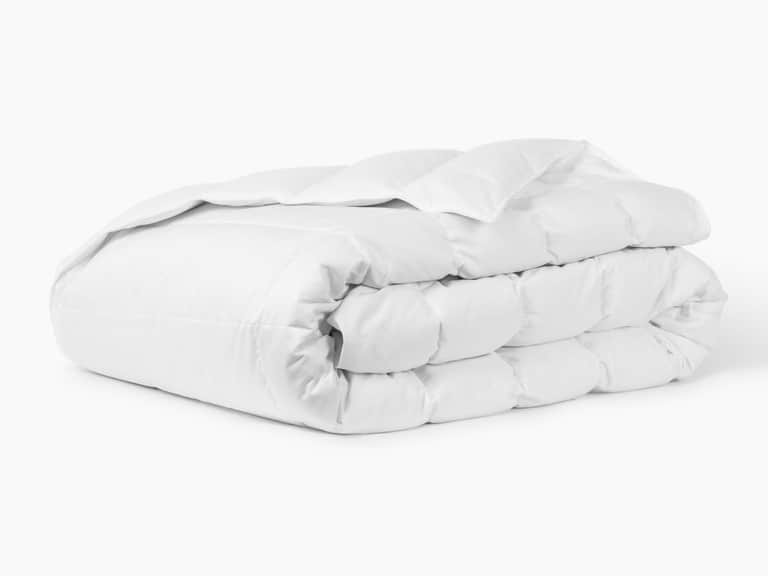
Among the contemporary options that blend luxury with responsible materials is the Hypodown Bed, a premium duvet insert engineered for breathable, full-body comfort. This bed embodies the idea of elevating your mattress with a breathable, weightless support system. Its fill leverages a sophisticated mix of goose down and natural milkweed fiber, tuned through a baffled box construction to ensure even loft and steady support across seasons.
Hypodown Bed
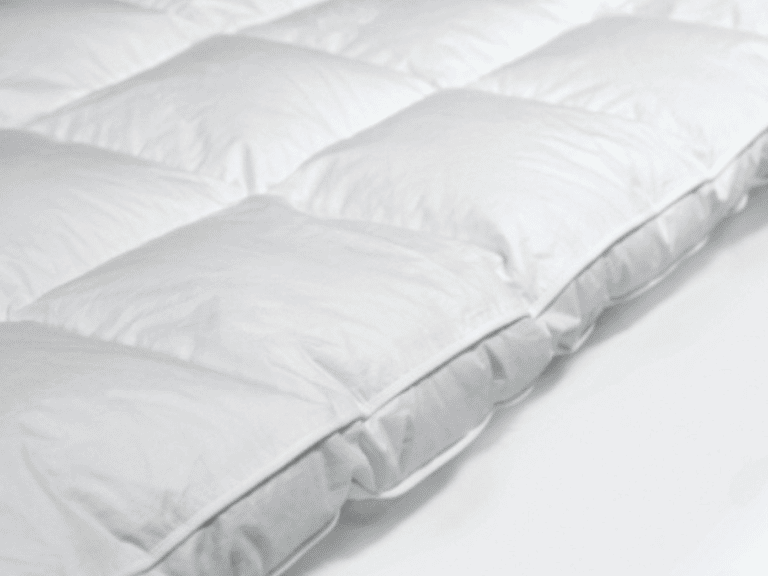
A duvet insert designed to optimize loft and airflow without bulk. The Hypodown Bed blends 70% white goose down with 30% milkweed fiber inside a pearl white cambric cotton shell. Available in multiple fill-power options (600, 700, 800) to tailor warmth and weight to your climate and sleep preferences. The 3-4 inch gusset and baffled box construction promote even distribution of fill, reducing cold spots and clumping over time.
Care and maintenance: Follow the brand’s laundering guidance, typically requiring careful handling to preserve loft. Regular fluffing and duvet cover protection help extend life.
Certifications and ethics: The Hypodown Bed represents a modern approach to sustainable filled bedding, aligning with consumer demand for transparent sourcing, responsible down, and durable materials.
In the broader ecosystem, this product sits alongside other ethically sourced options from Naturepedic, The Clean Bedroom, and Downtown Company, each with distinct shells and fill choices. The range demonstrates how brands are responding to consumer calls for responsible materials without compromising the sleep experience.
When shopping, you may encounter duvet inserts that are designed as splashes of luxury in a practical form. The goal is to find a product that harmonizes loft, warmth, breathability, and ethical assurances. A well-chosen down or down-alternative duvet can be a year-round ally in achieving restorative sleep, while knowing it was produced with care for animals, people, and the planet.
Conclusion: A Thoughtful Path to Comfort That Lasts
A sustainable down comforter is more than a warmth source—it is a statement about values: transparency, care, and resilience. By weighing certifications, sourcing, and care requirements, you can select bedding that supports a healthier sleep environment and a healthier planet. The historical threads narrated by Elena di Sansevero, Dr. Mina Kershaw, and today’s ethical advocates remind us that comfort is deeply social and ecological. The best decisions marry sensorial delight with responsible practices, ensuring your nights of rest are as thoughtful as your daylight routines.
As you navigate the market, remember this: a certified, ethically sourced duvet should feel like a soft embrace that you can trust—season after season, wash after wash, sleep after sleep. In the end, sustainable luxury is not merely a product attribute; it is a way of living that honors the centuries-old craft of keeping humanity warm—inside and out.
Resources and Suggested Readings
If you’d like to dive deeper, explore industry reports and textile archives from textile museums, university libraries, and brand sustainability pages. Look for supply chain transparency statements, third-party audit results, and publicly available washing care guidelines. To start, consider the following brands that frequently publish documentation and educational material about responsible materials and certifications:
- Naturepedic — Organic and certified down-alternative options with emphasis on non-toxic materials.
- Coyuchi — Organic cotton fiber content and environmental stewardship in bedding lines.
- The Clean Bedroom — Down and natural fills with a focus on ethical sourcing and durable construction.
- Suite Sleep — Educational content and materials science around comforters and materials used in warmth and loft.
Note: Product examples and descriptions above reflect a range of contemporary bedding offerings and are intended for educational context within this article. Availability and certification details may vary over time.