Bedding · Materials guide
How Rare Waterfowl Plumage Insulates Bedding
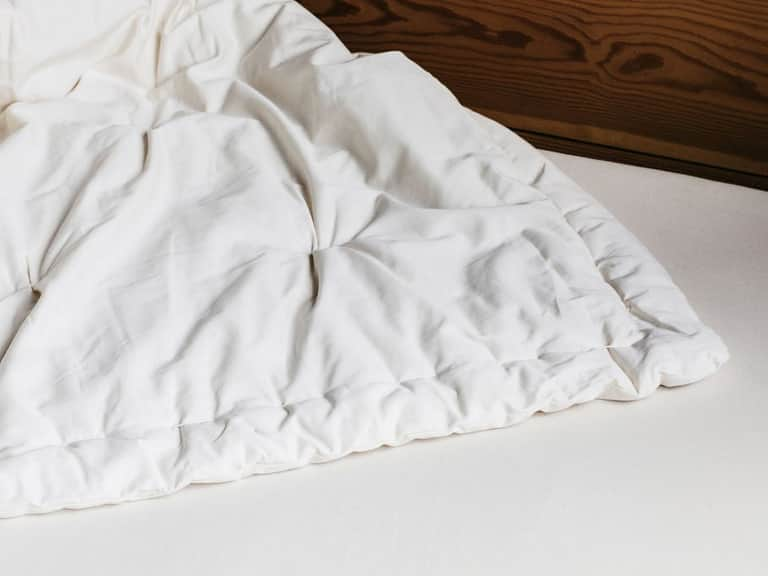
Eiderdown is prized for an unusual combination: remarkable lightness, gentle warmth and a soft, airy feel. Its secret is not simply that it is “fluffy.” The fine filaments in this rare natural fill cling together in a loose, resilient structure that traps still air. Here’s how that structure works, how eiderdown differs from familiar bedding fills, and what thoughtful sourcing and care involve.
A practical introduction to eiderdown, natural insulation and comforter construction.
What is eiderdown?
Eiderdown is the soft, downy plumage of the eider duck, a sea duck found in northern coastal regions. Unlike the larger, more visible feathers that form a bird’s outer covering, down consists of delicate fibers close to the body. These fibers help the bird retain warmth in a demanding environment—and, when carefully collected and prepared, can provide insulation in bedding.
The word eiderdown is also commonly used for a duvet or comforter filled with this material. That can make the term confusing: a product described as “eiderdown” should be distinguished from one filled with goose down, duck down, feathers, wool or synthetic fibers. The label should identify the actual fill, its origin and any relevant sourcing information. A familiar-sounding name alone is not a guarantee of composition or quality.
Eiderdown is a specialist material rather than a standard bedding fill. Its limited availability reflects both its distinctive qualities and the particular conditions under which it may be collected. It is not simply a different grade of ordinary duck down, and it should not be treated as interchangeable with goose or farmed duck fill.
The small structure behind the warmth
Down insulates by holding pockets of still air. Air itself is a poor conductor of heat when it is stationary, so a light, lofty filling can slow the movement of warmth away from the sleeper. The comforter’s cover and construction help keep that fill evenly distributed, while the fill’s structure creates the insulating space within it.
Eiderdown is notable for its very fine, branching filaments. These filaments can cling and interlock with neighboring pieces, forming a loose web rather than behaving like a collection of separate, smooth tufts. That interconnected structure helps the material retain loft and stay together. The result is an insulation layer that can feel exceptionally light while still holding warmth.
That description is a useful way to understand the material, but it is not a promise that every eiderdown comforter behaves identically. Fill condition, processing, shell fabric, construction and the amount of fill all matter. A well-made comforter also needs a casing dense enough to contain the fine material and stitching or internal partitions that limit migration.
Loft is part of the story, not the whole story. The same fill can feel different depending on how much is used and how it is arranged. A lightweight comforter may suit a warm bedroom or a sleeper who prefers less insulation; a heavier version may be more appropriate for a cooler room. Personal warmth preferences, bedding layers and room temperature all influence comfort.
Eiderdown compared with goose and duck down
Goose down and duck down are the familiar reference points for many shoppers. Like eiderdown, they are clusters of down fibers that trap air and provide insulation without the stiff structure of a feather. Their performance varies by species, maturity, processing, cleanliness, cluster size and the proportion of down in the filling. “Goose” does not automatically mean superior, just as “duck” does not automatically mean poor quality.
One specification that appears on many down products is fill power. It describes the volume occupied by a given weight of down under a standardized test. A higher figure can indicate more loft per unit of weight, but it does not by itself tell you how warm a finished comforter will be. Warmth also depends on fill weight, dimensions, construction and the conditions in which the comforter is used. Fill-power ratings for conventional down are not a simple universal scale for comparing every type of eiderdown.
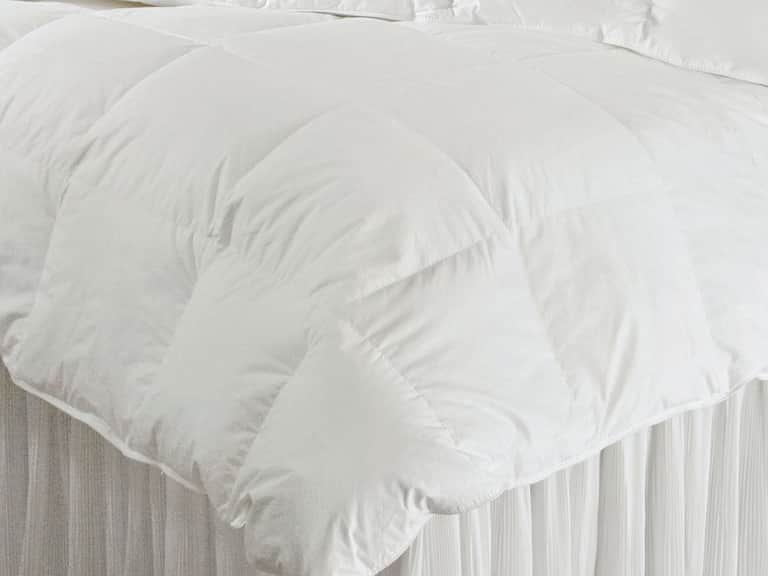
The Villa Goose Down Comforter, for example, is a conventional bedding option described with European white down, a 600 fill-power rating, a cotton cover and box construction. It can help illustrate the kinds of specifications commonly used for goose-down bedding, but it is not eiderdown. Readers comparing materials can review its fill and construction details as one example of how a product description presents those attributes.
In broad terms, eiderdown is valued for how its fine fibers cling together and for its light, supple feel. Goose and duck down are more widely available and come in a broader range of fill weights, constructions and price points. The best comparison is therefore not a simple ranking. It is a look at the specific material, the evidence supporting its sourcing claims, the comforter’s construction and the conditions it is intended to suit.
Why is eiderdown scarce?
Eiderdown is associated with northern coastal regions where eider ducks nest. In some established harvesting traditions, down is collected from nests after the birds have left. The birds use down to line and insulate their nests; after the nesting period, the material may be gathered and cleaned. This approach is fundamentally different from treating a live bird as a source of loose down, but the details depend on location, local practice and applicable rules.
Collection is specialized and can be labor-intensive. The material may contain natural debris and needs careful cleaning and preparation before it is suitable for bedding. Access is also limited by the birds’ habitat, nesting cycles and conservation requirements. These factors help explain why eiderdown is uncommon and why it can be expensive compared with more widely produced fills.
Scarcity should not be mistaken for proof of responsible sourcing. A careful buyer can ask where the fill was collected, how it was gathered, how its origin is documented and whether collection complies with relevant wildlife protections. Claims should be specific enough to assess. If the seller cannot explain the source or offers only vague language about being “natural” or “ethical,” that is a reason to seek more information.
Rules and practices can vary across jurisdictions and over time. For that reason, general descriptions of traditional collection should not be read as a guarantee about an individual product. Reliable documentation matters, particularly for a material whose value is closely tied to its rare origin.
Sourcing questions worth asking
Natural materials can appeal to people who value traditional fibers, but “natural” is not a complete account of environmental or animal-welfare impact. The relevant questions concern how a material is obtained, processed, transported and maintained throughout its useful life. For eiderdown, start with the source and collection method, then consider what information is available to verify those claims.
- What exactly is in the comforter? Ask whether the filling is eiderdown alone or a blend, and whether feathers or other fibers are included.
- Where was it collected? A clear geographic origin is more informative than a broad label such as “northern” or “wild.”
- How was it gathered? Look for an explanation of collection timing and the relationship between harvesting and nesting wildlife.
- What documentation supports the claim? Ask whether the seller can provide traceability or other relevant records. Certifications have different scopes, so check what a particular standard actually verifies.
- How is the material processed? Cleaning, sorting and handling affect both hygiene and the character of the finished fill.
These questions are useful for other down products, too. For example, some manufacturers refer to third-party animal-welfare standards for goose or duck down. Those standards are not interchangeable with documentation for eiderdown, and a label should be read in context: what material and stage of the supply chain does it cover?
How construction shapes comfort
A comforter is a system, not just a bag of fill. Its outer shell affects touch, breathability and how well fine fibers stay contained. Cotton is commonly used, but weave density and finish matter as much as the fiber name. A tightly woven, down-proof shell can help prevent fill from escaping while remaining comfortable against the body.
Stitching and internal compartments help keep insulation where it belongs. In a sewn-through design, the top and bottom layers are stitched together at intervals. This holds fill in place, although the stitching lines can create thinner areas. Baffle-box construction uses internal walls to form compartments and allow greater loft, while helping reduce cold spots when properly made. Neither construction is universally best; the choice depends on the desired profile, warmth and design.
Look for practical details as well as a luxurious description: finished seams, durable shell fabric, corner loops or ties for securing a duvet cover, and clear information about warmth level and care. A comforter that shifts inside its cover can feel uneven even if the fill itself is excellent. Correct sizing also matters, because a duvet insert that is too small for its cover may bunch or leave gaps at the edges.
When comparing down products, consider fill weight alongside fill power and construction. When comparing eiderdown with other fills, use the maker’s documented specifications rather than assuming that one number tells the whole story. A well-explained product is easier to assess than one that relies on prestige language alone.
Eiderdown, wool and other natural bedding fills
Down is only one route to a comfortable sleep layer. Wool, silk, cotton and plant-based or synthetic fills each have different structures and care needs. Wool fibers form a resilient batting that can absorb moisture and provide steady insulation. Silk tends to create a smooth, draping layer. Cotton batting has a more substantial feel and may be less lofty than down. Synthetic alternatives vary widely in their fiber design and performance.
None is automatically right for every sleeper. Someone who wants a lofty, lightweight comforter may be drawn to down; someone who prefers a flatter drape or wishes to avoid animal-derived down may investigate cotton, plant-based or synthetic fills. A wool option can appeal to those seeking a natural fiber with a different feel and temperature-management profile. If you are comparing the latter, the dual-weight wool comforter is one example of a design that uses wool and a cotton shell rather than eiderdown.
Allergies and sensitivities also deserve a careful, individual approach. “Hypoallergenic” is used in different ways and does not mean that no one can react to a product. People with known sensitivities should review the complete material and processing information and consult a qualified health professional when needed. A washable cover and regular bedding care can help manage dust and everyday soil, but care routines do not replace medical advice.
Care that protects a delicate fill
Good care begins with the manufacturer’s instructions, because cleaning methods differ among fills, shells and constructions. Eiderdown should not be assumed to tolerate the same treatment as a washable synthetic comforter. Its delicate fibers, specialized processing and the garment’s casing all make a cautious approach sensible.
A removable duvet cover is a simple first line of protection. It takes the brunt of everyday contact and can usually be laundered separately, reducing the need to clean the insert. Airing a comforter in a dry, well-ventilated place can help refresh it between washes. Avoid prolonged direct sun or damp conditions unless the care guidance specifically recommends them.
If the insert becomes stained or needs a full clean, check the label before acting. Some natural-fill bedding requires professional cleaning; some products may permit carefully controlled washing. A home machine that is too small can compress or damage a comforter, and incomplete drying can leave moisture inside the fill. Never store a comforter while damp. Once clean, it should be fully dry before it is returned to a cover or put away.
For seasonal storage, choose a clean, dry, breathable fabric bag or cupboard rather than sealing natural bedding in plastic for a long period. Leave room for the fill instead of compressing it tightly. When the comforter comes back into use, gently shake it out and allow it to regain its shape.
A thoughtful way to compare bedding
The appeal of eiderdown is easy to understand: it offers a rare meeting of lightness, warmth and an intriguing natural structure. But its reputation should invite closer questions, not end the conversation. A useful comparison starts with what is actually inside the comforter, how that fill works, where it came from and how the product is constructed.
Before choosing any bedding, consider your bedroom temperature, whether you tend to sleep hot or cold, the amount of weight you enjoy, your preferred drape and your willingness to follow specialized care instructions. Ask how the warmth level is described, and compare like with like whenever possible. A high-end fill may be compelling, but a comforter that matches your habits and can be maintained properly is often the more satisfying choice.
Eiderdown is a distinctive chapter in the wider story of natural insulation. Understanding its interlocking filaments helps explain why it can feel so airy and cohesive; understanding its scarcity and sourcing helps put its desirability in perspective. The most comfortable bedding is not necessarily the rarest. It is the layer that provides the right kind of warmth, is honestly described and can be cared for in a way that respects both the material and the wildlife from which it comes.
Frequently asked questions
Is eiderdown warmer than goose down?
There is no universal answer based on the name alone. Eiderdown is valued for its fine, interlocking structure and light, warm feel, but a comforter’s warmth depends on its fill amount, construction, dimensions and use. Compare specific products and their documented specifications rather than relying on a simple ranking.
Is eiderdown the same as duck feathers?
No. Down is the soft, fine plumage beneath a bird’s outer feathers. Feathers have a more defined central shaft and a different structure. A product may contain down, feathers or a blend, so check its material description carefully.
Does eiderdown come from live-plucked birds?
Some traditional collection accounts describe gathering down from nests after birds have left. However, practices and legal requirements vary, and a general description cannot verify an individual product’s origin. Ask the seller for specific sourcing information and supporting documentation.
Can an eiderdown comforter be machine washed?
Do not assume so. Follow the care label and the maker’s guidance for the particular product. A duvet cover, regular airing and prompt attention to small spots can reduce the need for full cleaning, while specialist care may be appropriate for some inserts.
What should I look for when buying natural bedding?
Check the exact fill, shell fabric, construction, warmth level, dimensions, care instructions and sourcing details. If sustainability or animal welfare is important to you, look for specific, verifiable claims and understand what any cited certification covers.